Transform Your Space: Leading Home Remodeling Recommendations From Experienced Builders
Home renovation can be a complicated undertaking, often filled with challenges. Expert contractors emphasize the significance of setting clear goals and a realistic budget. Choosing the right professionals is essential for executing a plan successfully. Furthermore, design decisions should focus on practicality and flow. With these foundational elements in mind, one can move through the renovation process more easily. But what specific strategies can ensure a thriving makeover?
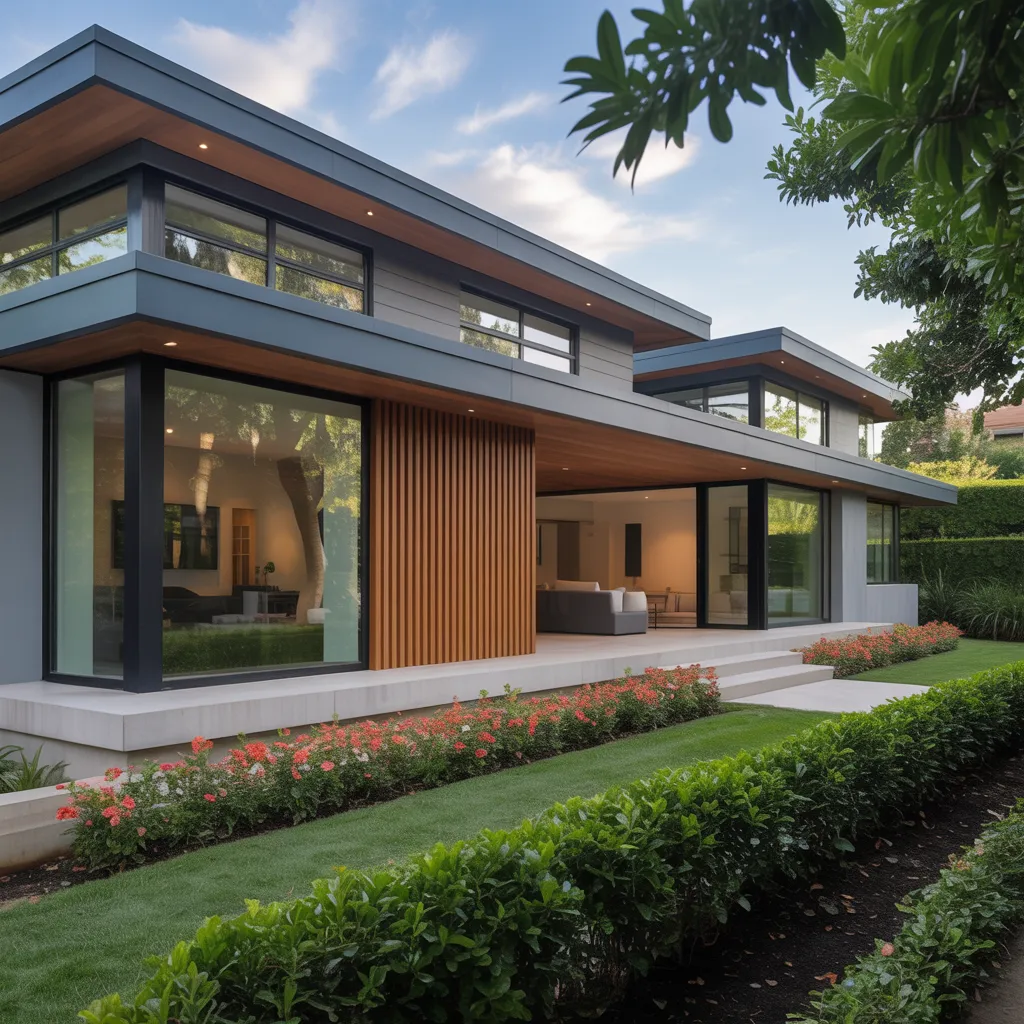
Establish Your Goals and Key Focus Areas
Clarifying intentions and preferences is fundamental in the home remodeling activity. This preliminary stage establishes a explicit plan for the project, shaping all subsequent decisions. Homeowners must assess their necessities, weighing factors such as performance, appearance, and long-term value. Specifying specific objectives, such as enhancing space for family gatherings or improving energy efficiency, allows for a deliberate methodology.
Prioritization is equally vital. It assists in differentiating between must-have features and those that can be adjusted or postponed. By sorting priorities based on importance, homeowners can guarantee that their remodeling efforts align with their overall lifestyle and aspirations.
Furthermore, clear goals can support effective communication with contractors and designers, data guaranteeing that all parties are on the same page. Ultimately, careful consideration at this stage encourages a smoother remodeling experience, reducing potential setbacks and advancing a successful redesign of the living space.
Set a Realistic Financial Plan
Establishing a realistic budget is an vital element of any home renovation undertaking. It functions as a cornerstone for decision-making and helps prevent overspending. Homeowners should start by assessing their financial situation, including savings and possible financing options. This evaluation enables them to create a financial plan that matches their goals and preferences.

Next, it is crucial to create a comprehensive analysis of expenses, encompassing materials, labor, permits, and unexpected expenses. Experts recommend allocating an extra 10-20% of the financial allocation for emergencies, as unexpected problems can occur during renovation.
Additionally, homeowners should assess standard expenses for their specific projects to confirm their budget is reflective of market rates. By upholding openness and responsiveness within the budget, property owners can effectively manage their remodeling projects while achieving their wanted goals. Establishing a realistic budget ultimately generates a more pleasant renovation experience and elevates overall satisfaction.
Pick the Proper Practitioners
Identifying the right consultants is essential for the outcome of any home restoration project. Property buyers should begin by researching local contractors, architects, and designers to find those with outstanding reputations and related experience. Assessing reviews, portfolios, and references can provide insight into their work quality and credibility.
It's also important to guarantee that picked contractors are properly licensed and insured, which shields homeowners from possible liabilities. Engaging in thorough interviews will help determine their interpersonal approach and capacity to correspond with the homeowner's goals.
Establishing well-defined parameters regarding timelines, budgets, and outcomes is essential to avoid confusion. Homeowners should find professionals who are not only skilled but also show a dedication to collaboration and transparency. Ultimately, the right team will not only execute the plan successfully but also enhance the renovation process, instilling trust throughout the project.
Plan for Features and Flow
In home renovation, planning for layout and movement is essential for creating a balanced living space. Effective space usage maximizes every square foot, while guaranteeing easy movement improves daily activities. Together, these elements create a welcoming and orderly environment.
Maximize Area Efficiency
As you commence a home remodeling project, focusing on space utilization can greatly enhance both practicality and movement. Professional builders emphasize the value of examining each area to determine its main purpose. This means embracing versatile furniture, like foldable tables or integrated storage, which can significantly maximize limited spaces. Also, spacious floor plans can create a smooth shift between rooms, allowing for a more roomy feel. Careful positioning of furniture can also enhance the overall layout, making sure that each room serves its intended function without overcrowding. By methodically organizing the movement of traffic and accessibility, homeowners can establish a harmonious environment that optimizes the use of space while maintaining a pleasing aesthetic. Ultimately, thoughtful design can revolutionize any area into a more efficient living space.
Create Hassle-Free Navigation
Efficient movement throughout a home is vital for maximizing everyday functionality and flow. When starting a renovation project, it is important to consider the floor plan and accessibility of spaces. Open floor plans often allow easier passage, letting occupants to travel between rooms smoothly. Deliberate placement of doorways, furniture, and fixtures can further enhance circulation, decreasing impediments. Designers advise keeping clear pathways, ideally at least 36 inches wide, to assure comfortable navigation for all users, including those with mobility challenges. Moreover, strategic organization of spaces—such as separating living areas from workspaces—can enhance functionality. By focusing on ease of movement, homeowners can establish a balanced environment that enables daily activities and encourages a sense of order throughout the space.
Increase Your Space Using Innovative Solutions
Strategic design plays an key role in expanding space within a home, as it allows for both performance and appearance to coexist seamlessly. Seasoned developers propose employing open floor plans to create a sense of openness, dismantling unnecessary barriers between rooms. Versatile furniture, such as a sofa bed or a storage cube, can also help to optimize limited areas, providing utility without sacrificing style.
Incorporating tall storage options is another effective strategy, as shelves and cabinets that extend to the ceiling draw the eye upward, improving the sense of height. Additionally, strategic use of mirrors can reflect light and produce a sense of depth, making rooms appear larger. Daylight is crucial; large windows or skylights can brighten spaces while enhancing the overall ambiance. Careful planning and design choices ultimately transform cramped areas into inviting, functional environments that cater to modern living needs.|Using vertical storage solutions represents another effective strategy, as shelves and cabinets that reach the ceiling guide attention upward, boosting the perception of space. Furthermore, deliberate mirror placement can reflect illumination and produce a sense of depth, causing spaces to look bigger. Natural light is important; large windows or roof lights can illuminate interiors while enhancing the ambient quality. Strategic layout and design choices ultimately convert tight spaces into welcoming, practical areas that address modern lifestyle needs.|Implementing space-saving storage serves as another valuable strategy, as shelves and cabinets that climb to the ceiling lift your gaze, enhancing the sense of height. In addition, intentional use of mirrors can disperse light and develop an illusion of depth, expanding how spaces feel. Sunlight proves necessary; generous windows or roof apertures can light up interiors while enriching the overall feel. Deliberate design and layout planning ultimately reshape limited spaces into charming, useful settings that address modern lifestyle requirements.|Adopting tall storage arrangements constitutes another successful method, as cabinets and shelving that ascend upward elevate visual focus, heightening the perception of space. Concurrently, deliberate mirror application can diffuse illumination and manufacture spatial illusion, enlarging visual perception of rooms. Ambient light is vital; substantial windows or skylights can infuse spaces with light while improving the overall aesthetic. Strategic layout and design approaches fundamentally revolutionize confined spaces into charming, practical domains that serve modern dwelling needs.
Choose Quality Resources and Finishes
Deciding on quality finishes and materials is essential in home renovation, as it directly shapes both durability and visual attractiveness. Expert builders recommend going with choices that not only enhance the visual character of the space but also resist the test of time. For instance, hardwood flooring offers lasting value and inviting feel, while first-class countertops boost kitchen style and functionality.
Also, elements such as paint and fixtures ought to be chosen thoughtfully. Picking paint with excellent longevity can avert deterioration, while high-end fixtures can supply a polished appearance that suits the overall design. In addition, it is suggested to research eco-conscious options that advance a healthier living environment. Spending on quality materials and finishes proves rewarding, as it can raise property value and reduce upkeep costs over time. By giving attention to these factors, homeowners can establish a lasting and beautiful space that addresses their needs.
Refrain from Forget Lighting
Lighting affects the aesthetic and functional aspects of home remodeling in significant ways. Employing multiple light sources can create an inviting mood of a space, while increasing natural illumination can make rooms feel more large and welcoming. These critical elements are essential for creating a well-planned environment that meets both practical needs and emotional desires.
Layered Light Applications
In remodeling projects, homeowners often emphasize aesthetics and functionality but underestimate the critical function that layered lighting plays in establishing a inviting atmosphere. Professional builders advise including three kinds of lighting: ambient, task, and accent. Ambient lighting provides uniform illumination, laying down a base layer in every room. Task lighting, such as under-cabinet lights or reading lamps, offers focused light for specific activities. Architectural features or artwork are accentuated by accent lighting, which adds depth and allure. Using these lighting approaches together helps homeowners achieve a well-balanced and versatile space. Furthermore, adjustable fixtures, dimmers, and smart lighting make it easy to customize the environment, enabling it to shift with various moods and events. Such a careful lighting strategy improves both the usability and atmosphere of the space.
Optimizing Natural Light
Natural light plays an important role in enhancing the overall feel of a space, as it not only illuminates rooms but also contributes to the health and well-being of those inside. Experienced builders encourage maximizing natural light by thoughtful window placement, ensuring that interiors receive ample sunlight throughout the day. Using larger windows or glass doors can establish a fluid connection with the outdoors, further fostering openness. Additionally, applying mirrored surfaces, like mirrors and light-colored walls, can amplify the impact of natural light. Also, consider the orientation of the home; south-facing windows usually receive more sunlight. Lastly, keeping views unobstructed will improve the natural light experience, making interiors feel more inviting and welcoming.
Maintain Elastic and Accommodating Throughout the Process
The residential remodeling expedition often offers hidden hurdles, requiring dwellers to remain pliable and adaptable. Changes can arise due to fiscal restrictions, unexpected foundation concerns, or interruptions in material delivery. Such instances can be vexing, but maintaining a positive mindset allows for imaginative fixes and alternative approaches.
Homeowners might take advantage of the opportunity of rethinking design plans or revising timelines. Direct communication with contractors is indispensable; discussing worries can lead to team-based solutions. In addition, staying willing to advice from builders and designers can strengthen the overall outcome of the project.
Being flexible means showing willingness to make concessions on certain aspects, which can result in finding unexpected benefits. In the end, responding to shifts can produce a more gratifying and productive remodeling experience, changing not just the space but also the homeowner's outlook on the process itself.
Often Requested FAQs
How Much Time Should You Anticipate for a Typical Home Remodeling Task?
A typical home remodeling project can take anywhere from a few weeks to multiple months, depending on the extent of the project, size of the home, and availability of contractors. Planning and unexpected delays may prolong timelines.
Which Licenses Are Required for Home Remodeling Work?
Renovating your home typically requires authorizations for structural modifications, electrical work, plumbing changes, and sometimes for cosmetic updates. Specific rules differ depending on location, so consulting local building officials is essential for maintaining compliance with regulations.
How Can I Boost My Home's Selling Price Through Renovation?
To boost a home's property worth through home improvement, one should prioritize upgraded kitchens, bathroom upgrades, energy-efficient enhancements, and curb appeal improvements, as these improvements typically yield substantial profits in the real estate market.
What Frequent Pitfalls Should You Avoid During Remodeling?
Typical mistakes during remodeling involve budgeting incorrectly, neglecting proper planning, ignoring permits, opting for fleeting styles versus lasting designs, and failing to communicate effectively with contractors. Each failure can generate expensive holdups and inadequate results.
How Might I Stay Below My Budget While Dealing With Unexpected Costs?
To remain within budget during surprise expenditures, one should emphasize a emergency reserve, meticulously track expenses, modify project scope if needed, engage candidly with contractors, and evaluate alternative materials to minimize financial strain.